
Identify the insect
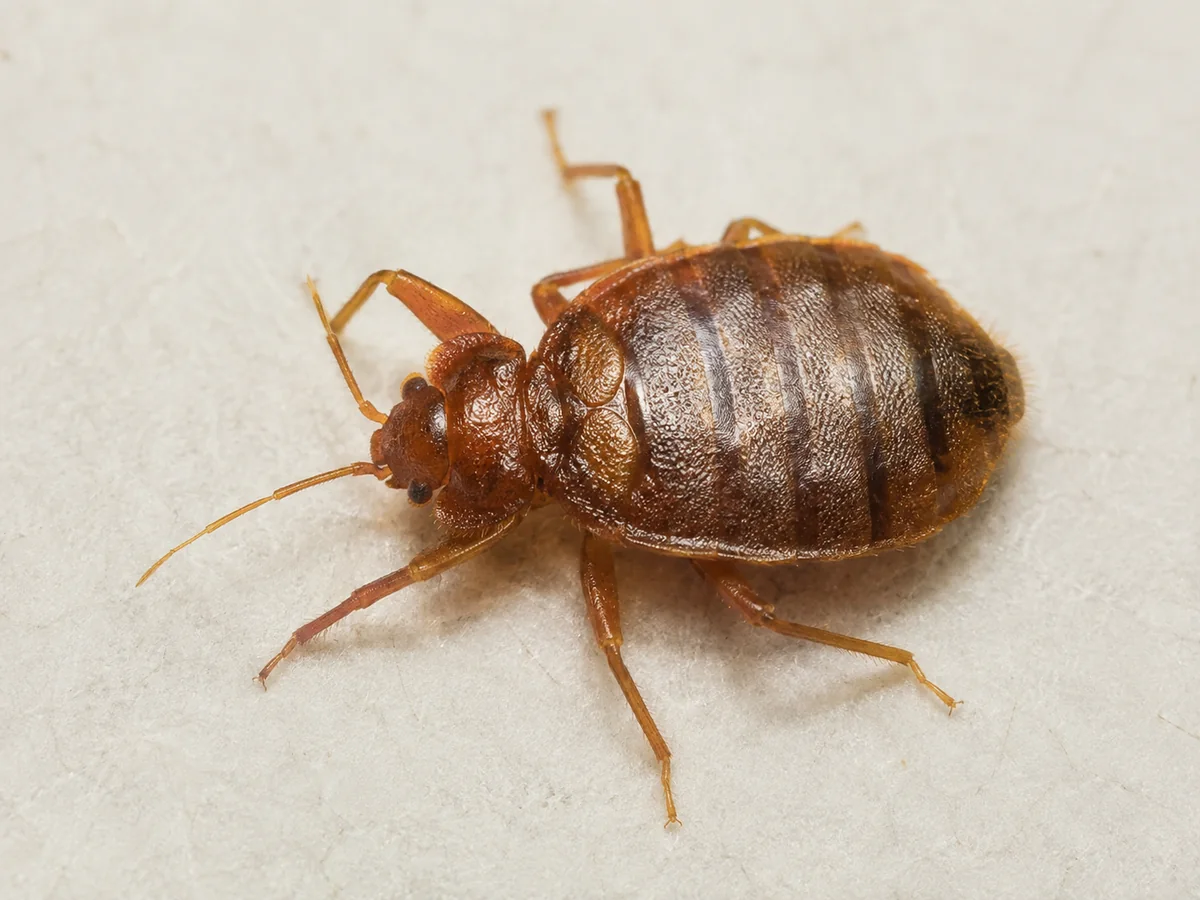
Several insects resemble bed bugs. A clear photo or professionally assessed specimen can help. Skin reactions or bites alone do not confirm bed bugs and this page does not diagnose medical symptoms.
PESTCALLNOW / BED BUG TREATMENT
Concerned about bed bugs? Call PestCallNow to discuss identification, an assessment and service availability for your address. Treatment planning should follow the findings, with preparation and follow-up explained before work begins.
Tell us what you have seen, which rooms are affected and anything already used. Keep a clear photo if practical. Ask for a tailored plan instead of assuming a particular method, number of visits or preparation list.
WHAT YOU MAY NOTICE
Explain what you have observed, where it occurs and what you have already done. These details help clarify an assessment; they do not establish a diagnosis on their own.
Several insects resemble bed bugs. A clear photo or professionally assessed specimen can help. Skin reactions or bites alone do not confirm bed bugs and this page does not diagnose medical symptoms.
Note which sleeping or resting areas are involved and when activity was noticed. Explain any observed insects or marks without treating every spot as proof. Avoid moving belongings to another room while awaiting advice.
Mention products already used, previous visits and any household access concerns. That information helps a conversation about assessment and preparation; do not add products simply because another sighting occurs.
IDENTIFICATION COMES FIRST
The findings and your property matter. Clarify what can be assessed and which questions remain before agreeing to a service plan.
Accurate identification prevents treatment for the wrong insect. Clear insect photos and physical observations are more useful than skin reactions alone. Keep those details available for the assessment before selecting a treatment plan.
Describe affected areas, access needs and belongings that may need instructions. In shared housing, ask how to communicate with property management. Do not assume adjacent homes require the same work.
A broad description or photograph cannot establish what is present at your address. Discuss identification, access and limitations for your home.
THE PROFESSIONAL TREATMENT APPROACH
Confirm service at your address, the assessment scope and what the recommendation will be based on. Ask about costs, preparation and review arrangements before agreeing.
Explain the suspected activity and ask how accessible hiding places will be assessed. The findings should guide the recommendation rather than selecting a method from a photograph or skin reaction.
A treatment plan should explain how the proposed approach fits the findings. Have the recommended method, included work and household precautions spelled out before booking. Preparation and access instructions need to match that method.
Follow the instructions for your appointment. Avoid moving belongings from affected to unaffected areas casually. Ask how clothing, bedding and furniture should be handled; do not automatically discard a mattress or improvise treatment temperatures.
Record sightings and use the agreed check-in plan. Ask what reassessment includes and when to report concerns. A particular visit count, timeline or included callback is not established for every household.
Follow appointment-specific instructions and applicable product labels. Ask for clarification whenever access, preparation, precautions or the scope is unclear.
GOOD HABITS BETWEEN VISITS
Practical conditions and clear records can support the service conversation. They do not replace assessment, guarantee results or establish a universal service schedule.
Get clear handling and movement instructions so preparation does not spread the concern. Report practical access difficulties rather than guessing what must be moved.
Keep photos, dates and treatment records available. A useful record helps explain continued concerns without assuming every mark is a new infestation.
Ask how food, children, pets and access should be managed for the actual method. Follow written instructions and product labels; there is no blanket re-entry rule.
BEFORE YOU BOOK
Understand the service conversation before deciding what comes next.
No. Skin reactions have different causes and are not a reliable pest identification. Share clear insect photos and other observations, and seek appropriate medical advice for health concerns. Assessment should confirm the pest before treatment.
Request instructions for the actual appointment and method. Explain access concerns and ask how clothing, bedding and furniture should be handled. Avoid casually moving items from affected rooms to unaffected areas.
Do not automatically discard a mattress or other belongings. Ask what the assessment suggests and how items should be handled. Unplanned disposal or moving belongings may spread the concern; preparation should follow the agreed instructions.
Treatment choice depends on the confirmed pest, the extent of activity and the areas that can be accessed. Before booking, confirm the recommended method, preparation and precautions for your home.
Visit count and follow-up vary with the findings, method and household conditions. Agree how progress will be assessed, when to report sightings and which follow-up work the quote includes.
Have your address or ZIP, affected rooms, sighting dates, photos if practical and details of previous actions ready. Discuss costs, preparation, access and follow-up before booking, and confirm service availability at your address.
Further reading:
EPA: Bed bug identificationEPA: Preparing without spreading bed bugsEPA: Physical signs and limits of bite-based identificationYOUR NEXT STEP
Share your address or ZIP, what you have noticed and any previous records. Confirm service availability, the proposed scope and fees before booking.