A little less worry. A little more home.Residential pest control

THE HOMEOWNER'S FIELD GUIDE

What Do Roach Droppings Look Like?

THE SHORT ANSWER

Possible roach droppings can look like small dark specks or fecal spotting, but appearance alone does not confirm the pest. Location, other signs and careful identification matter. Keep a photo and notes without touching the material. If rodents are possible, do not dry sweep or vacuum the droppings.

Read the identification guidance

A LABELED REFERENCE

Compare examples, not a diagnosis.

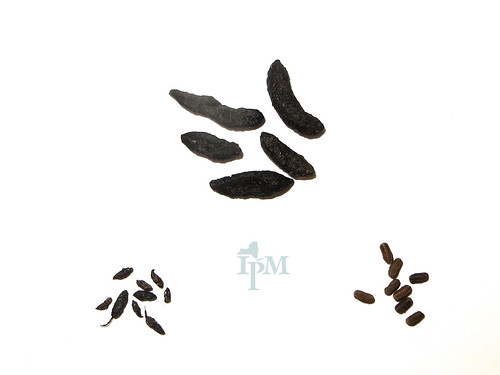
This institutional comparison shows three different pests' droppings. Fine texture is limited in this image, and there is no ruler or established shared scale.

Cornell IPM comparison of Norway rat, American cockroach and mouse droppings, clockwise from the top

Clockwise from the top: Norway rat, American cockroach and mouse droppings. The American cockroach example is at the lower right. Compare the labeled examples cautiously; the photograph cannot identify material in your home or establish relative sizes.

“Pest Droppings” by Cornell IPM / The Cornell IPM Image Gallery, CC BY 2.0. Full image, uncropped and unedited; displayed at no more than its native 500px width. Cornell's IPM mark is retained. No endorsement of PestCallNow is implied.

01 / HOMEOWNER GUIDANCE

What appearance can tell you

Cockroach droppings do not have one appearance that reliably identifies every species. University of Kentucky describes pepper-like fecal spotting in areas of current or former activity. Small dark marks can also be unrelated debris or another pest's signs. A matching color or shape is a reason to investigate, not a diagnosis.

If you are looking for German cockroach poop, do not assign a species from a speck alone. An insect photo, where the marks occur and other observations can help an identification discussion. This guide does not provide a definitive species key or convert the number of marks into infestation severity.

Read the University of Kentucky explanation of cockroach signs and egg cases.

02 / HOMEOWNER GUIDANCE

Roach poop versus mouse poop

The labeled Cornell comparison is a starting point for understanding different examples. Size and appearance can overlap, and a photograph without a ruler cannot establish a reliable cutoff for material you have found. Do not assume the pictured groups share a common scale or that matching one pellet proves which pest left it.

Record where the material is located and whether you have also noticed insects, gnawing or other activity. Keep observations separate from guesses. If mouse or rat droppings are possible, use the rodent precautions linked below rather than cleaning as if the material were already confirmed to be from roaches.

03 / HOMEOWNER GUIDANCE

Droppings and egg cases are different clues

An egg case is a capsule holding eggs, not fecal waste. University of Kentucky describes cockroach egg cases as small brown, bean-shaped structures. That description is not enough to identify every brown object; other debris can be mistaken for a case.

A suspected capsule, small specks and a live insect are different observations. Photograph the object in place if practical, without handling or breaking it open. This page's comparison photograph shows droppings, not egg cases. It does not establish whether an object contains viable eggs.

Read the University of Kentucky explanation of cockroach signs and egg cases.

04 / HOMEOWNER GUIDANCE

Where to record suspected signs

Cockroaches may shelter in secluded areas around kitchens, bathrooms and other parts of a home. Conditions and species affect where they occur. Note whether marks are near a cabinet edge, a sink, an appliance or another sheltered area, but do not use location alone to identify the pest.

Look only where you can do so without disturbing waste or creating an access hazard. A clear record of the room and surface is more useful than moving material between rooms. Old marks can remain after earlier activity; their presence alone does not tell you when they were left or prove cockroaches are currently active.

05 / HOMEOWNER GUIDANCE

Document without touching or disturbing waste

Keep a simple record: the date, room, surface and what you noticed. Take a photo from a safe position if practical. Include nearby context, but do not pick up droppings, scatter them or collect them in your bare hands just to make an identification photo.

If rodents may be involved, do not dry sweep or vacuum droppings, urine or nesting material. CDC explains that disturbing rodent waste this way can put contaminated particles into the air. Follow its current cleanup guidance or ask the appropriate professional or local health department about your situation. Do not mix cleaning products or improvise a pesticide recipe.

EPA notes that cockroach waste and body parts can trigger asthma in some people. This guide cannot assess personal health risk or diagnose symptoms. For health concerns, speak with a healthcare professional; pest identification and medical advice are different tasks.

Use CDC guidance for possible rodent waste; see EPA information about pests and asthma triggers for general health context.

06 / HOMEOWNER GUIDANCE

Choose a useful next step

Share your photos and location notes with a pest professional and ask what would help confirm the source. Identification may require more than a picture. Discuss assessment before selecting treatment, and ask for instructions specific to the findings and your household.

Considering a new service? PestCallNow provides residential pest control. Ask about service at your address, what the assessment includes and any fees before booking. If you already have a treatment plan, contact the company that provided it before changing the plan.

Need help with an ongoing cockroach problem? See our cockroach control services.

QUESTIONS, ANSWERED

Questions about your next step

What do roach droppings look like?

They may appear as small dark specks or fecal spotting, but appearance varies and similar marks can have other causes. A photo, the location and other observed signs can help a professional investigate. One mark is not a reliable species identification.

Where might I find suspected roach droppings?

Record marks in sheltered areas such as cabinet edges or near sinks and appliances, where relevant to what you have noticed. Cockroach habits vary, and signs may occur elsewhere. Location alone does not confirm that the material came from a cockroach.

How can roach droppings and mouse droppings be confused?

Small pieces of waste or debris can overlap in apparent size and shape, especially in a photograph without scale. Use the labeled examples as context, not a certain diagnosis. If rodents are possible, do not dry sweep or vacuum the material; consult the CDC cleanup guidance.

How are droppings different from cockroach egg cases?

Droppings are fecal material; an egg case is a capsule containing eggs. A suspected brown capsule still needs identification and can be confused with other debris. Photograph it in place if practical, without handling or breaking it open. The comparison image on this page is not an egg-case reference.

Do suspected droppings prove cockroaches are currently active?

No. Marks may reflect current or former activity, or may not be cockroach waste at all. Record the location and any additional sightings rather than inferring infestation size or freshness from the number or color of marks. Ask what monitoring or assessment would clarify the source.

What should I do after finding possible roach droppings?

Keep a photo and notes without touching or disturbing the material. If rodents are possible, do not dry sweep or vacuum the waste. Ask for identification and situation-specific cleanup advice. For a new PestCallNow enquiry, explain what you found and confirm service availability at your address.

YOUR NEXT STEP

Have a pest concern to discuss?

Tell us what you have noticed and confirm service for your address before booking.

Call Now(844) 924-1337Have your ZIP code handy.