
Suspected waste
Photograph suspected droppings in place without touching or disturbing them. Similar material may have other causes. Do not dry sweep or vacuum possible rodent waste; use CDC cleanup guidance and ask for appropriate advice.
PESTCALLNOW / RODENT CONTROL
PestCallNow provides residential pest control. Call about rat or mouse concerns, explain where activity occurs and confirm service for your address. An assessment helps connect the signs you have noticed with a suitable plan.
Have your address, property type, sighting dates and previous treatment details ready. Ask how activity, access points and conditions will be assessed before agreeing to rodent control.
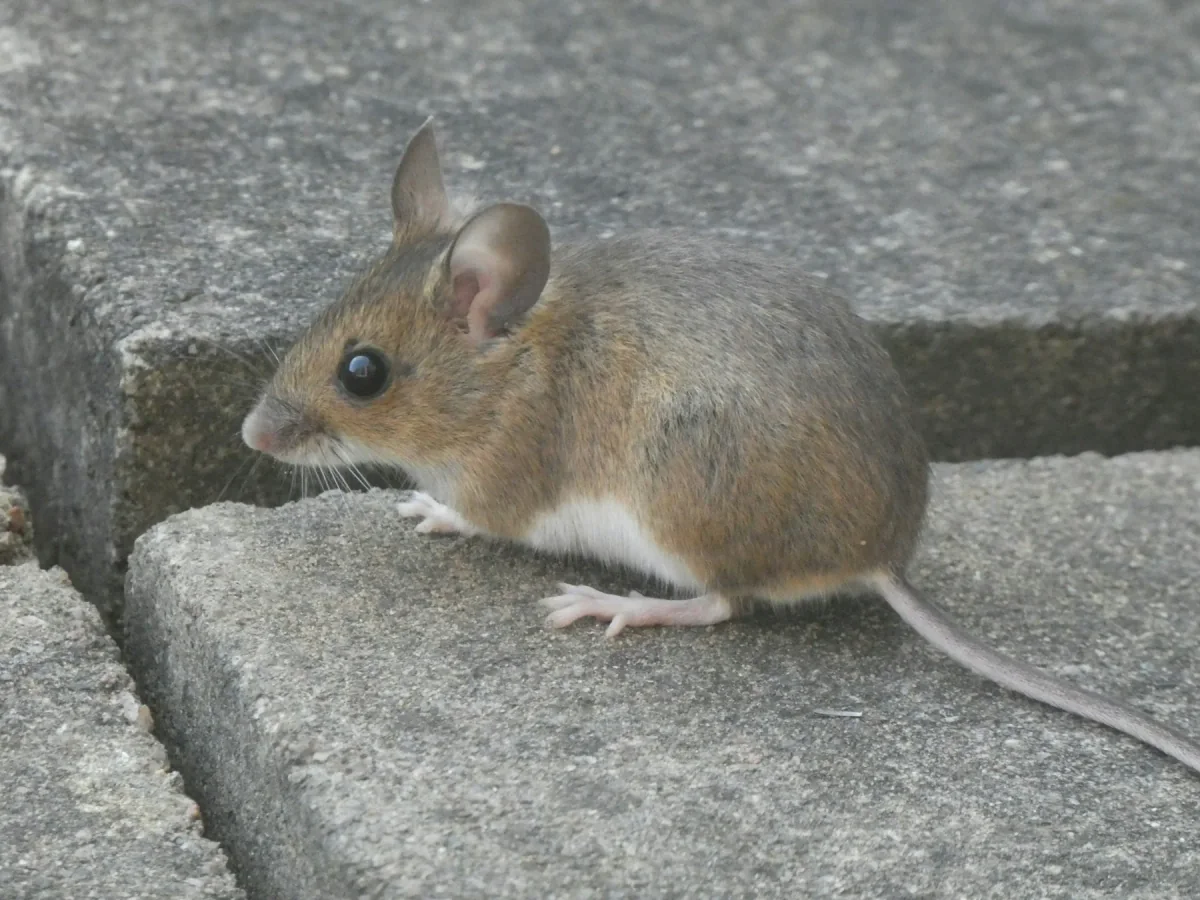
WHAT YOU MAY NOTICE
Explain what you have observed, where it occurs and what you have already done. These details help clarify an assessment; they do not establish a diagnosis on their own.
Photograph suspected droppings in place without touching or disturbing them. Similar material may have other causes. Do not dry sweep or vacuum possible rodent waste; use CDC cleanup guidance and ask for appropriate advice.
Note the item, room and when damage was first noticed. Old marks alone do not establish current activity. Share those observations with other signs rather than identifying a species from one damaged object.
Scratching in a wall or attic can have several causes, including pests outside this rat-and-mouse service scope. Record the time and location and any actual sightings. Avoid opening walls or disturbing nesting material yourself.
IDENTIFICATION COMES FIRST
The findings and your property matter. Clarify what can be assessed and which questions remain before agreeing to a service plan.
A mouse sighting and signs nearby can help an assessment. Do not identify the species or estimate numbers from pellet size alone. Explain where you saw activity and what areas can be accessed.
Report actual sightings, repeated activity and suspected access routes. Rat and mouse concerns may call for different recommendations. A photo supports discussion but does not replace assessment; squirrels and other wildlife remain separate concerns.
A broad description or photograph cannot establish what is present at your address. Discuss identification, access and limitations for your home.
THE PROFESSIONAL TREATMENT APPROACH
Confirm service at your address, the assessment scope and what the recommendation will be based on. Ask about costs, preparation and review arrangements before agreeing.
Discuss where signs occur, accessible areas and whether there is evidence of continued activity. Ask what can be established during the visit and what hidden or inaccessible spaces may limit the assessment.
Removal alone does not address how rodents gain access. Ask how control, entry-point work and food or shelter conditions fit together, and which tasks are included rather than assuming repairs are part of every visit.
Request instructions for household access, food, children and pets that match the actual plan. If waste is present, ask how cleanup should be handled. Do not improvise a pesticide or disinfectant mixture.
Ask what the quote covers, whether exclusion or repairs are separate, how progress is reviewed and when to report new signs. Duration and follow-up depend on the findings and agreed scope, not a universal deadline.
Follow appointment-specific instructions and applicable product labels. Ask for clarification whenever access, preparation, precautions or the scope is unclear.
GOOD HABITS BETWEEN VISITS
Practical conditions and clear records can support the service conversation. They do not replace assessment, guarantee results or establish a universal service schedule.
Store food securely and address spills and accessible waste. Discuss conditions found during assessment rather than blaming a household for a pest problem.
Have appropriate access or structural concerns assessed. Ask what exclusion work is proposed and who will perform it; trapping or removal and repair are different tasks.
Record new signs without disturbing waste. Compare observations over time and use the agreed reporting instructions, not an assumption that one quiet night proves elimination.
BEFORE YOU BOOK
Understand the service conversation before deciding what comes next.
A single sign is not a reliable species identification. Photos, sightings, location and other evidence help an assessment. Record the information without handling waste and tell us where it was found.
Control and exclusion address different parts of the concern. Ask how entry points and food or shelter conditions will be considered, which work is included and whether repair or exclusion has a separate scope.
Do not dry sweep or vacuum possible rodent waste. CDC advises precautions that avoid disturbing contaminated material. Refer to its current cleanup guidance and ask for advice appropriate to your situation.
The course depends on the findings, property conditions, access and work proposed. Ask how progress will be reviewed and when to report continued signs. There is no fixed duration for every home.
Assessment findings and the proposed control, exclusion, cleanup or repair tasks can affect a quote. Confirm the included areas, fees and follow-up before agreeing. Call to discuss your concern and availability.
No. Sounds alone do not identify the source, and not every animal in those areas is a rat or mouse. Note the time and location and share actual sightings or other signs so suitable assessment can be discussed.
YOUR NEXT STEP
Share your address or ZIP, what you have noticed and any previous records. Confirm service availability, the proposed scope and fees before booking.