
Bugs around windows or siding
Record where insects gather, which surfaces are affected and whether activity is outside or indoors. A clear photo can help the conversation without proving that every nearby insect is the same pest.
PESTCALLNOW | STINK BUG CONTROL
Seeing shield-shaped bugs near your windows or inside your home? PestCallNow provides stink bug control. Call to discuss identification, where activity is occurring and how assessment, removal and entry prevention may fit your property.
Tell us whether bugs are gathering outside, entering around windows or appearing in occupied rooms. Insects already sheltering inside need a different conversation from preventing new entry. Confirm the proposed scope before booking.
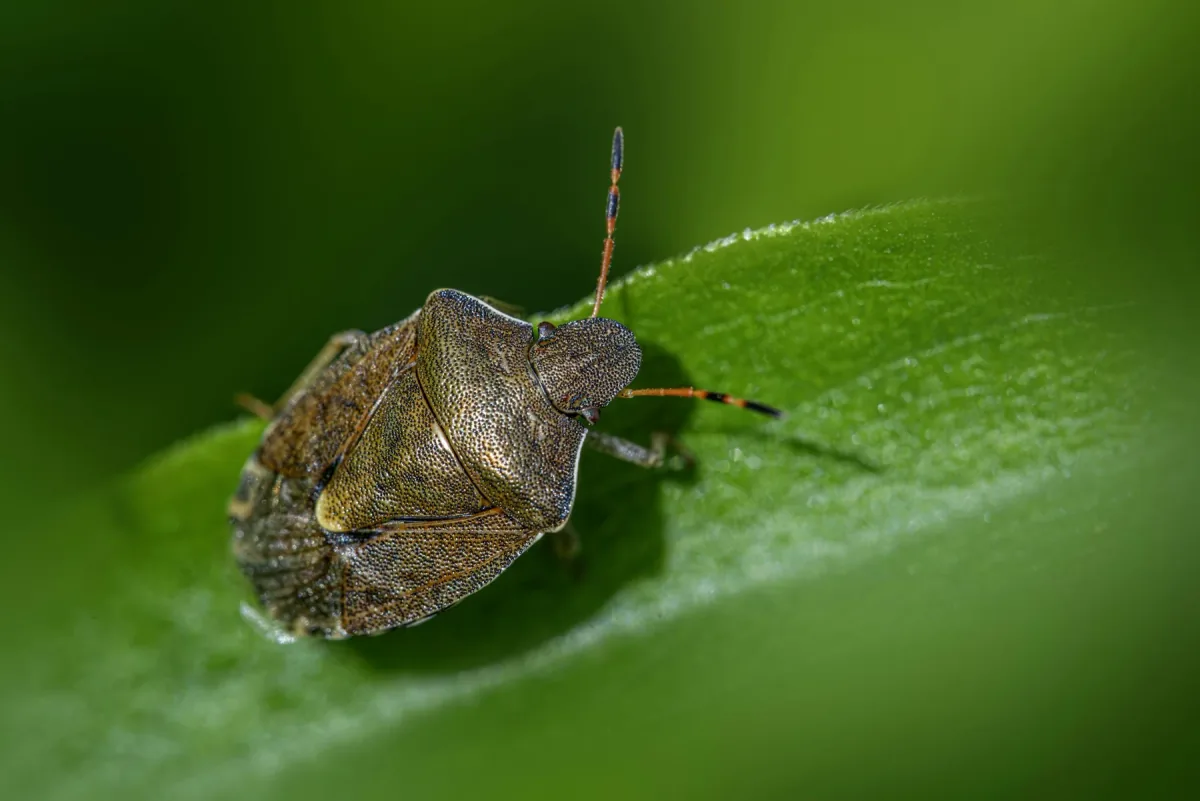
WHAT YOU MAY NOTICE
Identification comes before choosing a service. A brown, shield-shaped insect can be a useful clue, but a photograph alone should not be used to establish the species or the extent of a household problem.
Record where insects gather, which surfaces are affected and whether activity is outside or indoors. A clear photo can help the conversation without proving that every nearby insect is the same pest.
Note the room, date and nearby windows or other openings. Several sightings do not by themselves establish indoor breeding or explain exactly where insects entered the building.
Report when activity began and whether bugs are appearing in new areas. Seasonal shelter-seeking can matter for common household stink bugs, but timing and conditions vary by property and location.
IDENTIFICATION COMES FIRST
Where the bugs are now matters when discussing the plan. Preventing entry, assessing accessible openings and dealing with visible insects indoors are related but different tasks.
Describe insects on accessible exterior surfaces or near windows and doors. Ask which observations and entry conditions can be assessed safely, rather than assuming that every outdoor bug needs the same treatment.
Common overwintering stink-bug concerns can involve insects sheltering in a building and later appearing in rooms. Work aimed at future entry does not automatically remove insects that are already concealed.
Identification should guide the explanation. Brown marmorated stink-bug sheltering behavior should not be applied automatically to every shield-shaped insect or other household pest.
THE PROFESSIONAL TREATMENT APPROACH
Call with your address, observations, photos if available and any previous actions. Ask how the assessment will distinguish insects already indoors from continuing entry and which work is appropriate.
Share the affected rooms, visible exterior gathering areas and any safely observable gaps or damaged screens. Mention high or concealed areas without climbing or opening building materials to investigate.
Ask what inspection, removal or other proposed treatment includes and which entry conditions need attention. Physical repairs, opening walls and sealing work are not automatically included in pest control service.
Discuss access, affected areas, people and pets, any preparation and the proposed charges. Ask what continuing sightings may mean and how follow-up is arranged; avoid assuming a fixed visit count or a permanent absence of insects.
Indoor pesticide use against insects concealed in walls or attics can be inappropriate. Ask about identification, physical removal and exclusion rather than applying products into hidden spaces or assuming outdoor methods suit indoors.
GOOD HABITS BETWEEN VISITS
Reducing entry opportunities is central to managing seasonal household stink-bug concerns. Ordinary maintenance supports the plan but does not prove that concealed insects are gone or prevent every future sighting.
Look at accessible window screens, door seals and gaps around frames. Ask which maintenance or repairs are suitable for the property and who is responsible for completing them.
Mention visible gaps near utility entries, siding or other accessible surfaces. Do not climb, dismantle materials or spray into cavities to locate hidden insects; confirm any difficult-access work separately.
Note where insects continue to appear and what maintenance or service has been completed. Share that record with the treating professional so the next step considers both current indoor sightings and possible new entry.
BEFORE YOU BOOK
Understand the service conversation before deciding what comes next.
Brown marmorated stink bugs can seek sheltered places as conditions change, leading to gatherings near buildings and entry through openings. Timing varies; identification and the pattern at your property matter more than a universal seasonal date.
Visible insects can often be collected without pesticides. Avoid crushing them, keep a record of where they appear and ask about safe physical removal from occupied rooms. Do not spray into concealed spaces to chase insects that may be sheltering there.
No permanent absence can be promised. Accessible entry-point maintenance and a plan suited to the findings can reduce opportunities for entry. Insects already concealed may still appear, so ask what to monitor and how follow-up will work.
Do not assume an indoor pesticide application is appropriate for sheltering stink bugs. Ask about identification, exclusion and physical removal first, and follow the actual service instructions rather than applying products into voids on your own.
The areas affected, identification, access, proposed assessment or removal, entry-prevention work and follow-up can affect the quote. Ask which tasks are included and whether repairs or difficult access are separate. PestCallNow does not publish a universal price.
Brown marmorated stink bugs sheltering indoors do not normally reproduce there during overwintering. Seeing several insects is not by itself evidence of indoor breeding. Ask for identification before applying this explanation to a different insect or household concern.
Further reading:
Penn State Extension: brown marmorated stink bugOhio State: understanding stink bugsYOUR NEXT STEP
Call PestCallNow with your address, the areas affected and whether bugs are outside or indoors. Confirm assessment, preparation, scope and costs before booking.