
Suspected indoor flea activity
Record rooms, floor areas and pet-resting locations where insects have been noticed. Share safely obtained photos or other observations rather than assuming that every small jumping insect is a flea.
PESTCALLNOW | FLEA AND TICK CONTROL
Concerned about fleas indoors or ticks around your yard? PestCallNow provides flea and tick control. Call to discuss the evidence, affected areas, preparation and a service plan suited to the findings.
Indoor flea concerns and outdoor tick activity need different conversations. Tell us where activity occurs, whether pets use the area and what products or services have already been used. Bites alone do not identify the pest.
WHAT YOU MAY NOTICE
Identification should guide the next step. A skin mark alone does not confirm fleas, ticks or bed bugs. Report observable activity and locations without diagnosing the cause of bites.
Record rooms, floor areas and pet-resting locations where insects have been noticed. Share safely obtained photos or other observations rather than assuming that every small jumping insect is a flea.
Tell us where ticks have been observed and which outdoor areas people or pets use. A yard assessment can consider habitat and access, but no location is guaranteed free of ticks.
List earlier premises treatments and any products used around the affected areas. Veterinary assessment and pet treatment are separate from premises pest control; discuss pet concerns with your veterinarian.
IDENTIFICATION COMES FIRST
The places involved and the evidence found shape the service scope. Ask which indoor or outdoor areas will be assessed rather than assuming every concern needs the same treatment.
Discuss flooring, furnishings, pet-resting areas and observed insect activity. Flea development involves more than the visible adults, so preparation and follow-up may matter alongside any proposed treatment.
Review the areas people and pets use and safely observable vegetation or clutter conditions. Habitat management and any proposed treatment have limits; yard service does not prevent every tick exposure or bite.
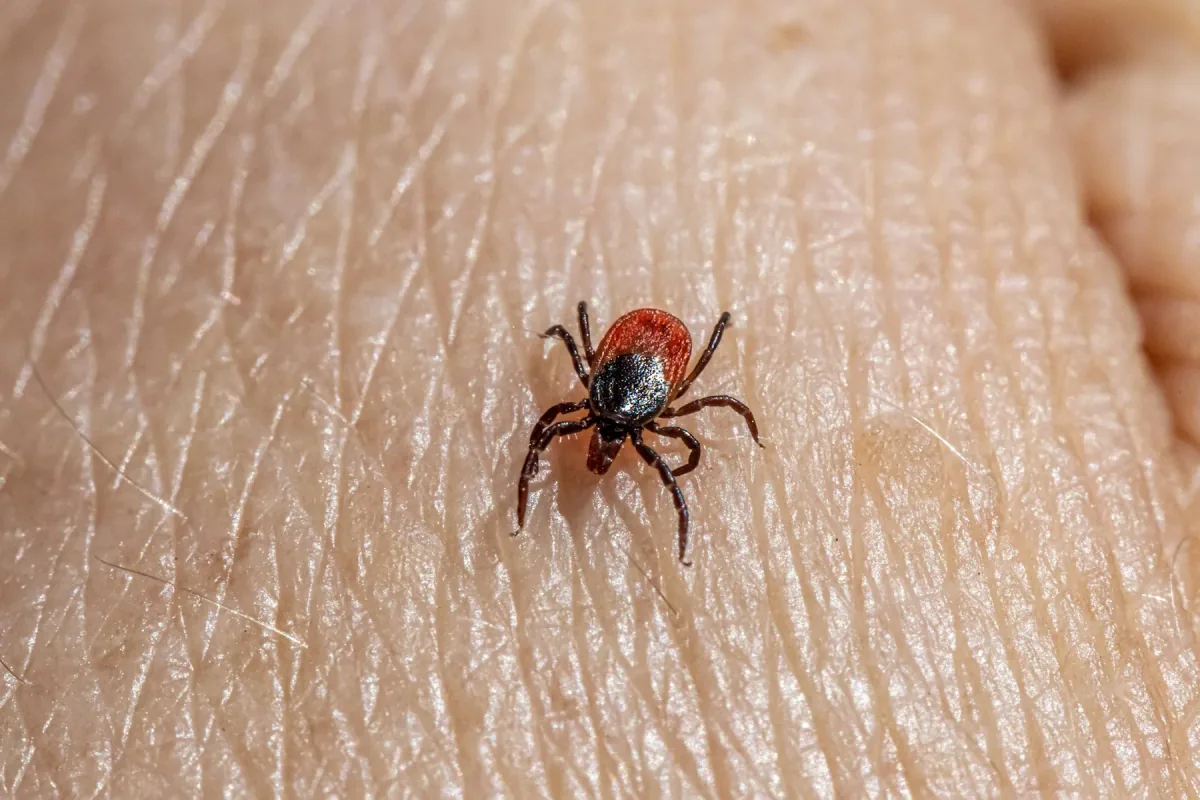
A tick photograph illustrates tick context only. It is not a flea example, proof of a bite cause or a disease diagnosis. Ask about identification when the evidence is uncertain.
THE PROFESSIONAL TREATMENT APPROACH
Ask how the findings will guide the plan, which areas are included and what you need to do. Costs, preparation and visits should be confirmed for the actual property.
Provide your address, locations, evidence and previous actions. Mention pets and rooms or yard areas that may be difficult to access so preparation can be discussed before the visit.
Ask for instructions covering cleaning, access, people and pets. Never apply a premises pesticide to an animal. Pet treatment decisions belong with your veterinarian and must be coordinated separately.
Follow the actual label and service instructions for people and pets returning to treated areas. Ask what to monitor and when to report continuing activity; there is no universal reentry period or promised visit count.
Continuing flea activity can need reassessment and follow-up. Do not add products or repeat applications on your own timetable; discuss the findings and instructions with the treating professional.
GOOD HABITS BETWEEN VISITS
Preparation and ordinary habitat care can support service, but they do not replace identification or guarantee that no pest returns. Follow the instructions for your actual plan.
Ask which flooring, furnishings and pet-resting materials need attention and how cleaning should be coordinated with service. Use the instructions provided rather than assuming one preparation list suits every treatment.
Discuss leaf litter, vegetation edges and clutter in areas people and pets use. Keep work within safe reach and stop before disturbing an unfamiliar nest or concentrated flying-insect activity.
Keep dated observations and locations of continuing insects. Ask when a further assessment is appropriate. Premises treatment is not veterinary care and cannot guarantee prevention of tick bites or disease.
BEFORE YOU BOOK
Understand the service conversation before deciding what comes next.
Premises pest control and veterinary pet treatment are separate. Speak with your veterinarian about pet concerns and coordinate the premises plan as instructed. Never use a premises pesticide on an animal.
Request the instructions for your actual service. Cleaning, access to affected areas and arrangements for people and pets may be relevant, but requirements depend on the proposed work. Do not assume a universal checklist or return time.
Continuing activity can occur and should be discussed in light of the findings and service plan. Keep dated observations, follow preparation and monitoring instructions and contact the treating professional before adding products.
Yes. Not having pets does not rule out fleas, but it does not establish them either. Identification and assessment of possible sources matter, especially when no insect has been confirmed.
No. Yard service and habitat management have limits and do not guarantee that no tick exposure or bite will occur. This service is not a promise of disease prevention; use appropriate personal precautions independently.
Affected areas, evidence, access, preparation, treatment scope and follow-up can influence the quote and visits. Ask what is included and how continuing activity will be assessed. No universal price or fixed number of visits is promised.
YOUR NEXT STEP
Call PestCallNow with your address, activity locations and previous treatment details. Confirm assessment, preparation, costs and any follow-up before booking.